
If you’ve ever searched “What is a rooming house?” or “What is rooming accommodation?”, you’re not alone.
Rooming houses are rapidly emerging as one of Australia’s smartest housing solutions, providing affordable accommodation while making more efficient use of residential land.
At the same time, they offer investors the opportunity to achieve strong rental yields. Moreover, What is a rooming house informs this by delivering cash flow and a winning outcome for residents and owners.
As a result, What is a rooming house becomes clearer. Modern rooming accommodation continues to grow in popularity across Queensland.
Unlike the boarding houses of the past, today’s rooming houses are purpose-built, professionally managed and designed for modern living.
Additionally, they have a strong focus on privacy, comfort and convenience.
In this guide, you’ll learn what a rooming house is, how it differs from a share house, its history, how it is regulated, and why it is becoming one of Australia’s fastest-growing property investment opportunities.
What is a Rooming House?
A rooming house is a residential property where individual bedrooms are rented separately to unrelated people who share common facilities such as the kitchen, dining room, laundry and outdoor living areas.
Each resident rents their own private room and has access to the communal areas but does not have exclusive possession of the entire property.
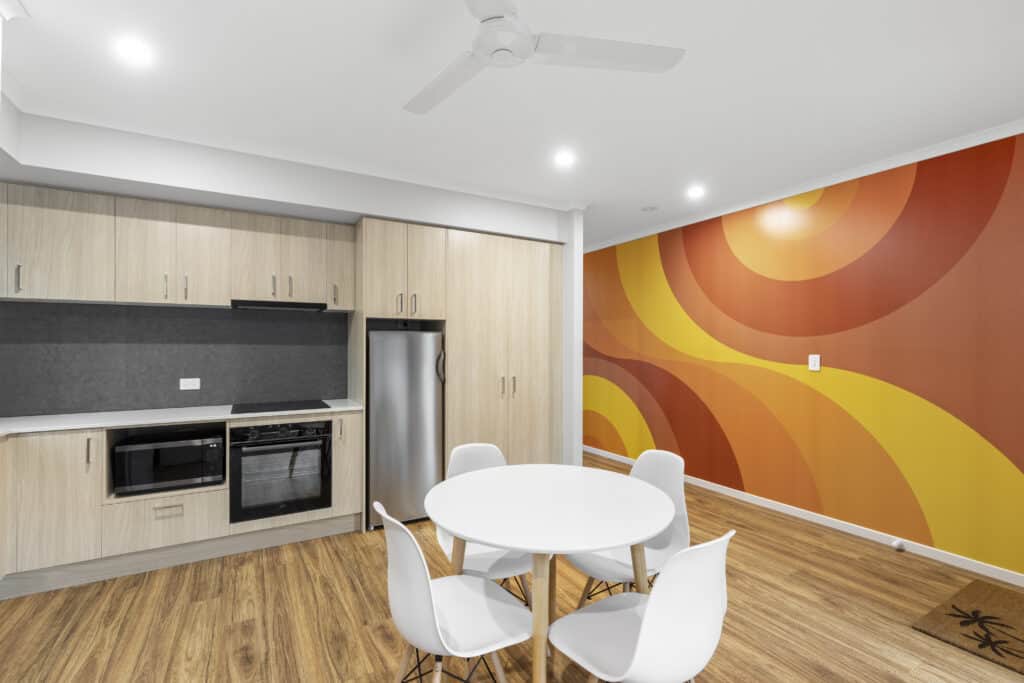
Unlike a conventional residential tenancy where one family rents the whole house under a single lease, each resident in a rooming house generally has their own occupancy agreement.
This creates affordable accommodation while maintaining privacy and independence.
What is the Difference Between a Rooming House and a Share House?
This is one of the most commonly asked questions.
In a share house, a group of friends or acquaintances rents an entire property together under one lease agreement. They collectively share responsibility for rent and the condition of the property.
In a rooming house, each resident rents only their own room under a separate agreement. Residents can move in or out independently, without affecting other occupants.
Professional property management is common, creating a more structured and reliable living environment.
The History of Rooming Houses in Queensland
Rooming houses have been part of Queensland’s housing landscape for more than a century.
Their origins lie in the traditional boarding houses that accommodated workers, travelers and migrants throughout the late nineteenth and early twentieth centuries.
Many were ordinary family homes where the owner rented spare bedrooms to working adults.
The owner usually lived in the property and provided meals, laundry services and housekeeping.
For thousands of Queenslanders, boarding houses represented an affordable first step into independent living.
While modern lifestyles have changed dramatically, the underlying concept remains the same – providing private accommodation with shared facilities.
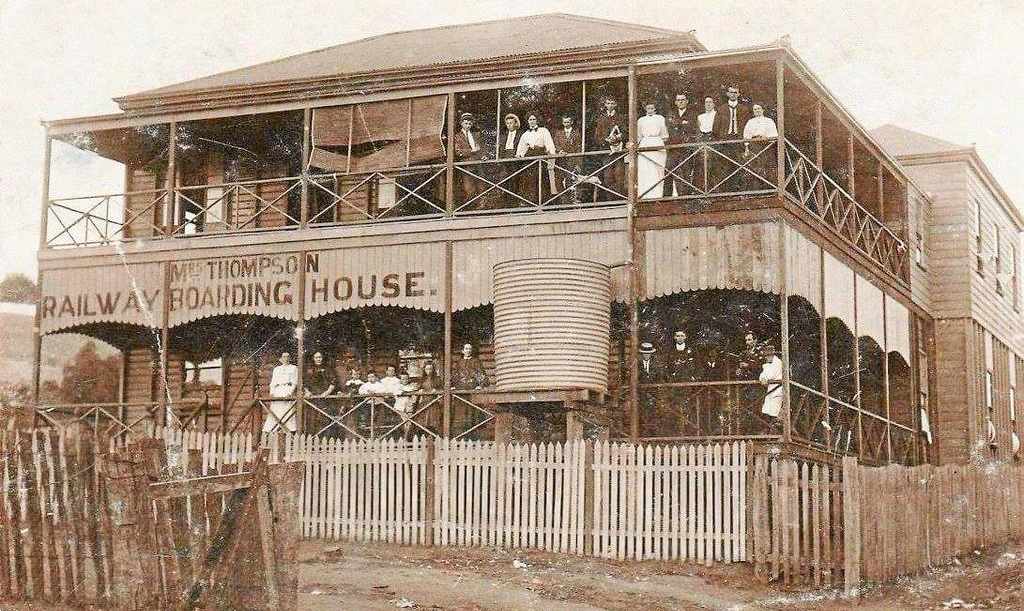
Thompson’s Railway Boarding House in Mount Morgan, Qld. Built in 1899
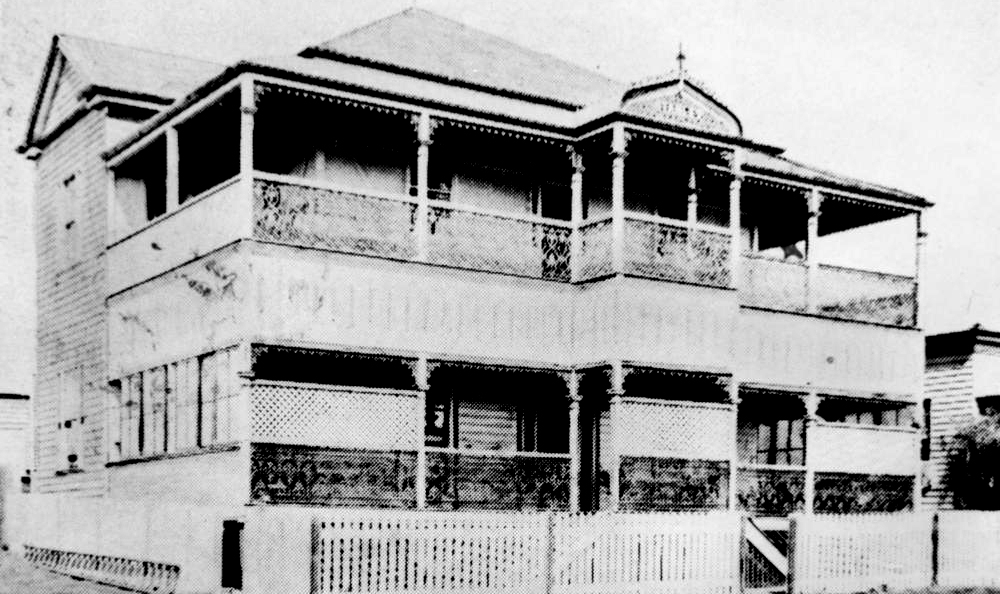
Stanley House a boarding house in Toowoomba, Qld. Photo 1920.
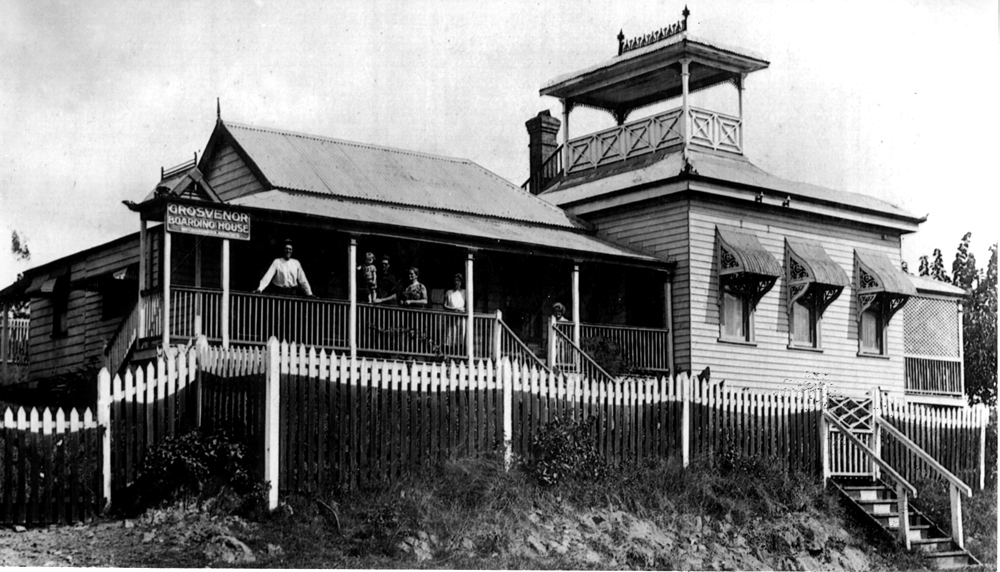
Federal Boarding House, Gympie, Queensland. Photo 1901
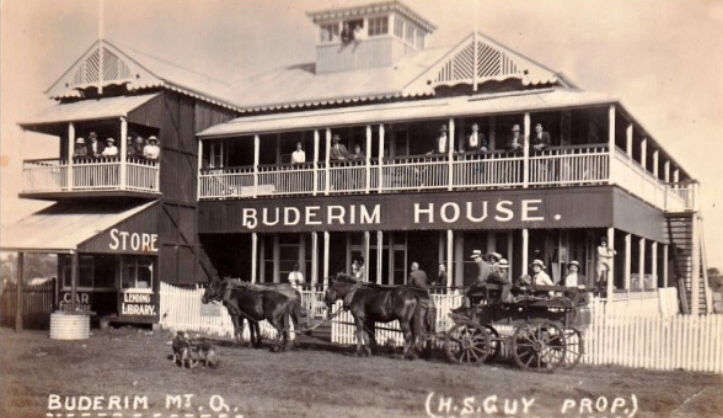
Buderim Boarding House, Sunshine Coast, Queensland. Built in 1914
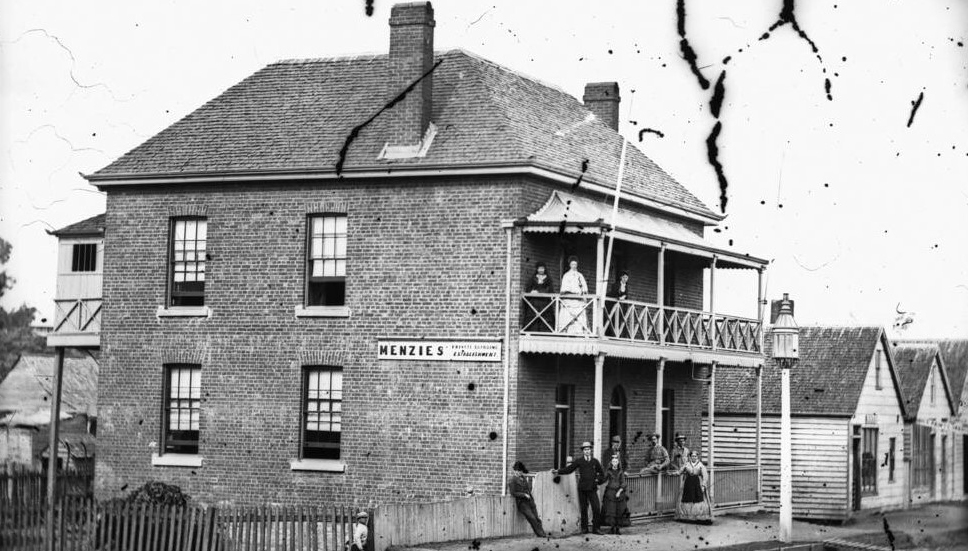
Menzies Boarding House, Central Brisbane. Photo 1872
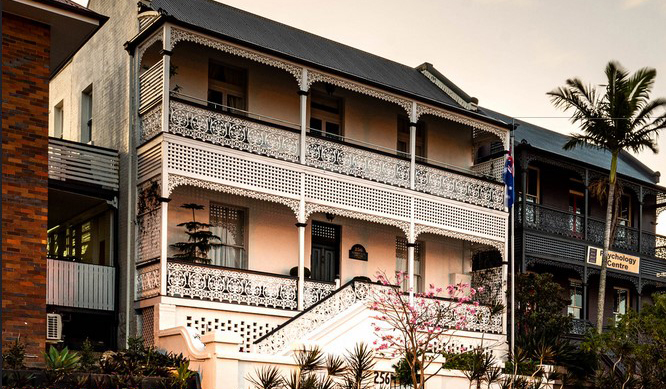
Florence House, Petrie Terrace, Brisbane. Built in 1874
The Evolution of the Modern Rooming House
Today’s rooming accommodation is a world away from the boarding houses of previous generations.
Purpose-built rooming houses are designed specifically for modern lifestyles and often include premium features such as:
- Large private bedrooms
- Individual ensuites
- Kitchenettes
- Private Air conditioning
- Built-in wardrobes
- High-speed internet
- Smart televisions
- Ceiling fans
- Quality furnishings
- Secure parking
- Outdoor entertaining areas
- Professionally designed communal areas
- Secure digital door entries
- Fully furnished, including appliances
- Wi-Fi, power and other utilities included in the rent
- and more…
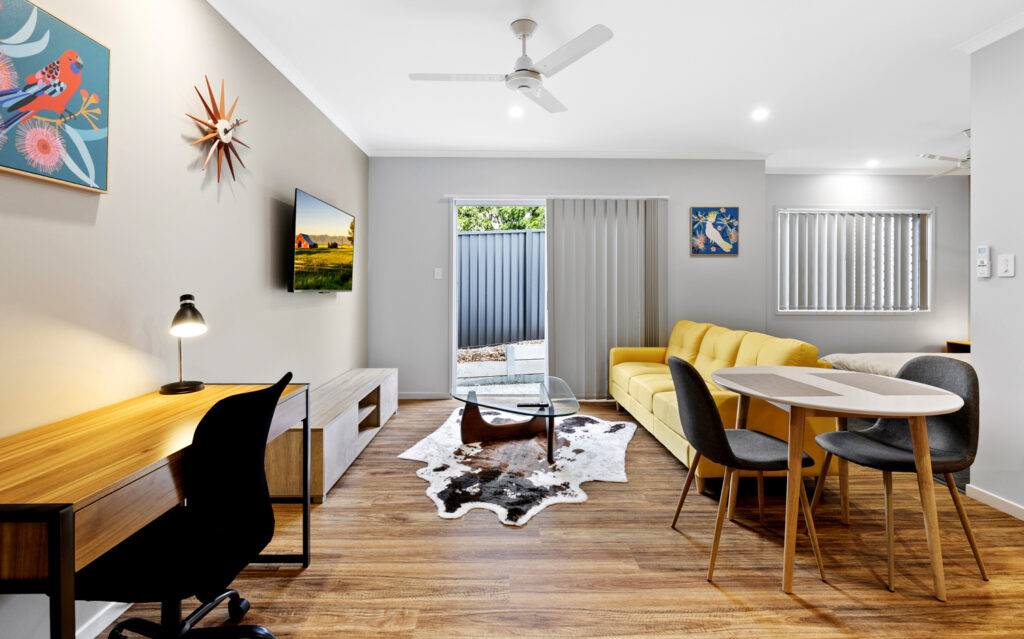
Residents enjoy privacy in their own room while benefiting from modern shared facilities that would otherwise be costly to maintain individually.
Who Lives in Rooming Houses?
Contrary to common misconceptions, modern rooming houses are home to a diverse range of responsible working adults.
Residents commonly include
- Nurses
- Teachers
- Police officers
- Hospitality workers
- Apprentices
- IT workers
- Electricians
- Plumbers
- FIFO workers
- Office professionals
- Newly relocated employees
- Small Business Owners
- Health workers

Many choose rooming accommodation because it provides affordable housing close to employment centers without compromising quality or lifestyle.
Why is Rooming Accommodation Growing in Popularity?
What is a rooming house?
Additionally, several factors are driving rooming accommodation demand.
More singles—the single household is the fastest growing section of the Australian (and global) household.
Housing affordability – rising rents and property prices make renting an entire home increasingly difficult.
Flexibility – residents can rent a single room without committing to an entire house.
Privacy – unlike many share houses, modern rooming accommodation often includes private ensuites and personal living spaces.
Location – many rooming houses are located close to transport, employment hubs and universities.
Lifestyle – professional management and purpose-built design create a comfortable and low-maintenance living environment.
Rooming Houses and Queensland Regulations
Because multiple unrelated residents occupy the property under separate agreements, rooming houses are subject to additional planning and building requirements.
Depending on the development, regulations may address:
- Fire safety
- Smoke alarms
- Emergency lighting
- Accessibility
- Building classification
- Planning approvals
- Local council zoning
- Neighborhood plans
- Car parking
- Health and safety standards
These requirements help ensure residents enjoy safe and compliant accommodation.
Why Design Matters
Great rooming houses don’t happen by accident.
At Brisbane Rooming Houses, we place a strong emphasis on thoughtful, resident-focused design. By carefully considering amenities, convenience, comfort and security, we enhance not only the well being of residents but also, as a natural outcome, the performance of the investment itself.
Successful designs typically feature:
- Acoustic separation between rooms and common areas
- Excellent natural light
- Functional communal spaces
- Private outdoor areas
- Durable finishes
- Energy-efficient design
- Attractive landscaping
- Smart storage solutions
Well-designed rooming houses generally attract higher-quality residents and stronger occupancy rates.

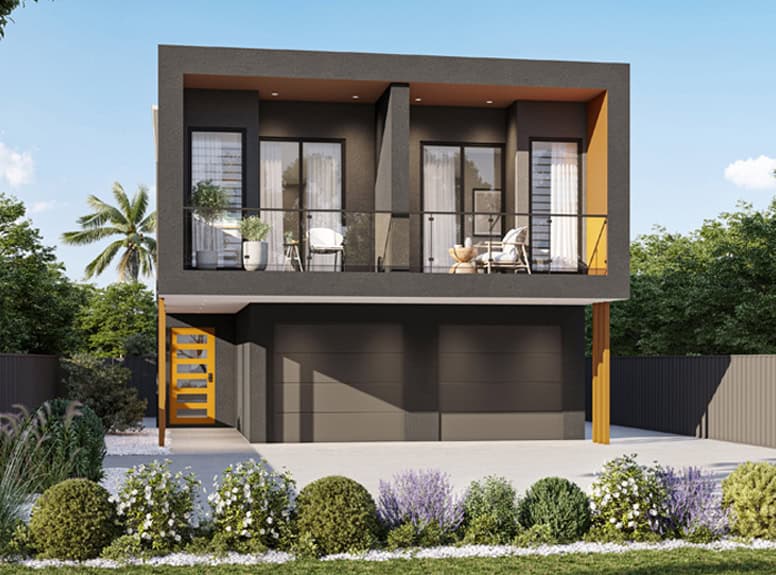
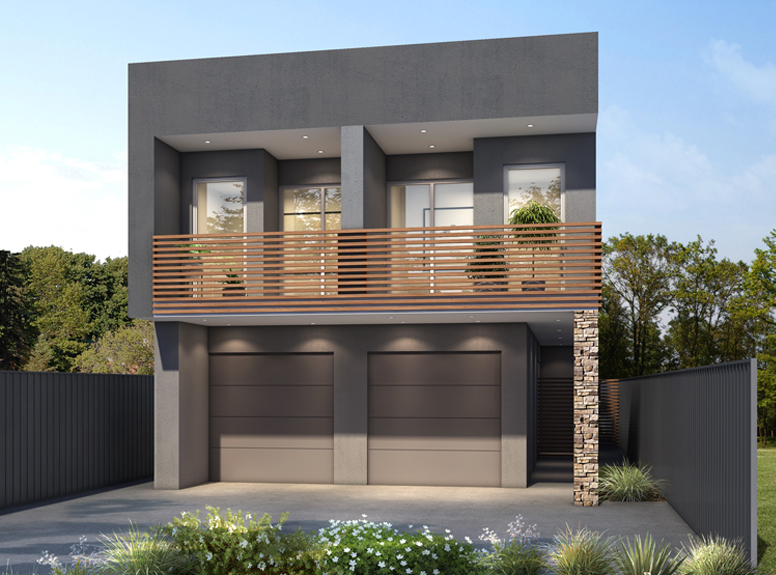
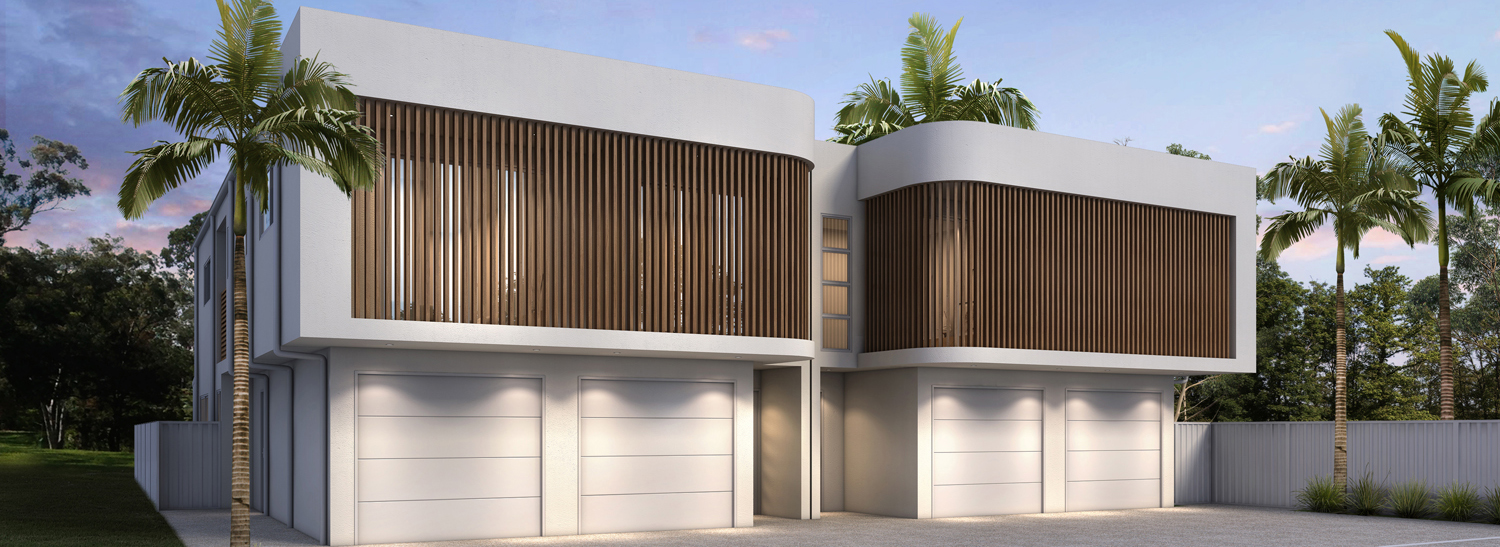
Street Appeal and Neighborhood Character
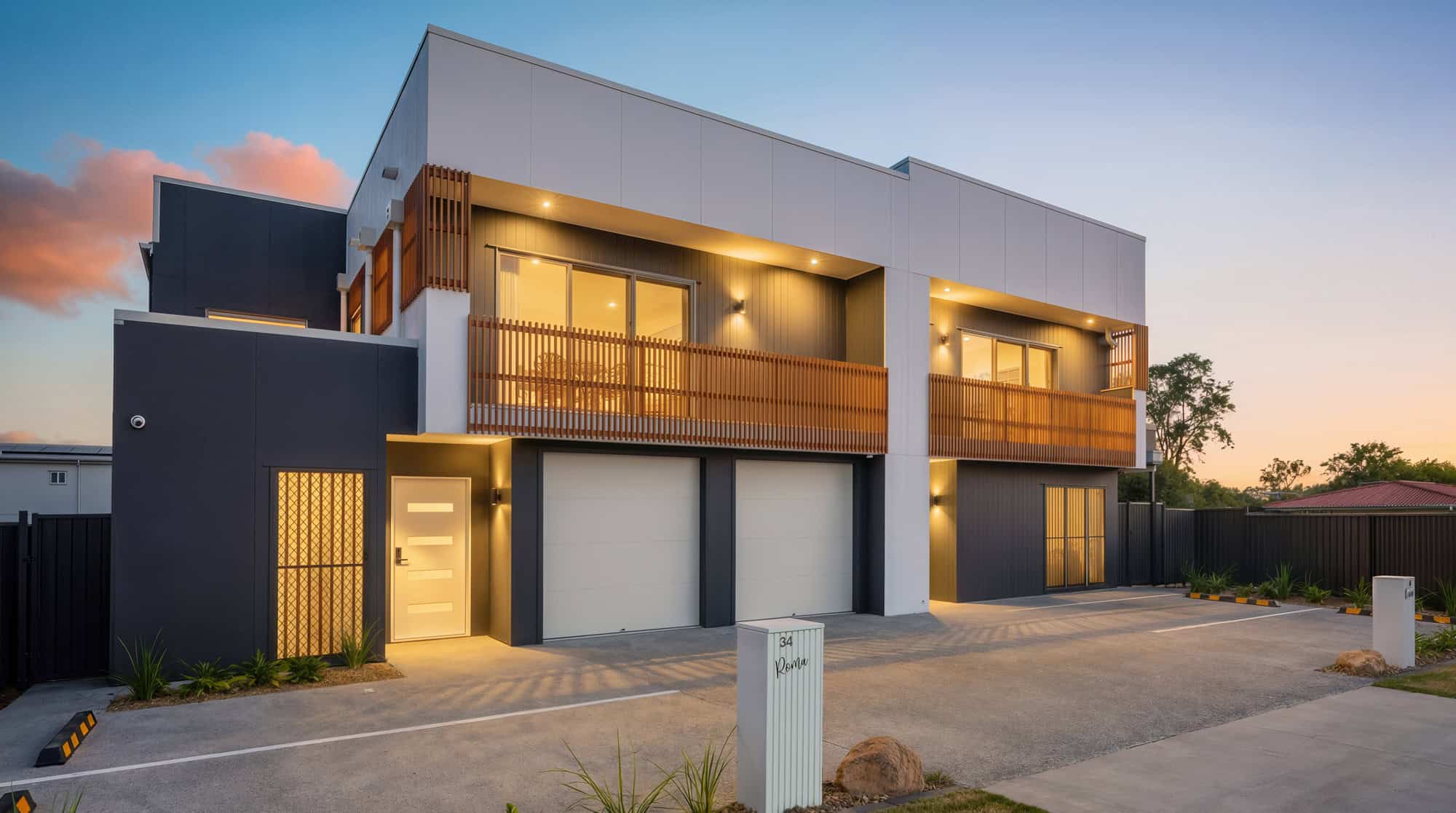
Modern rooming houses should enhance their neighborhood rather than detract from it.
Many local councils encourage developments that resemble high-quality detached homes rather than apartment buildings.
Neighborhood plans and planning overlays may regulate:
- Roof design
- Building materials
- Landscaping
- Front setbacks
- Facade treatments
- Building height
The objective is to integrate rooming accommodation into existing residential communities while preserving local character.
At Brisbane Rooming Houses, we specialize in architecturally designed homes that complement the streetscape while delivering premium accommodation for residents.
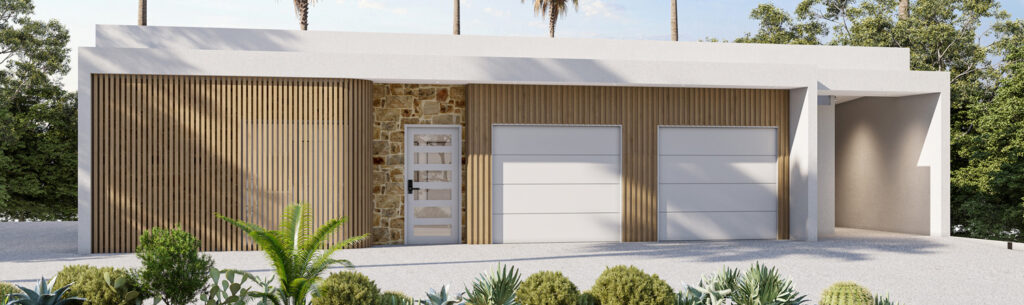
The ‘Solista‘ low set rooming house from the ‘Palm Springs collection’ by Brisbane Rooming Houses ©
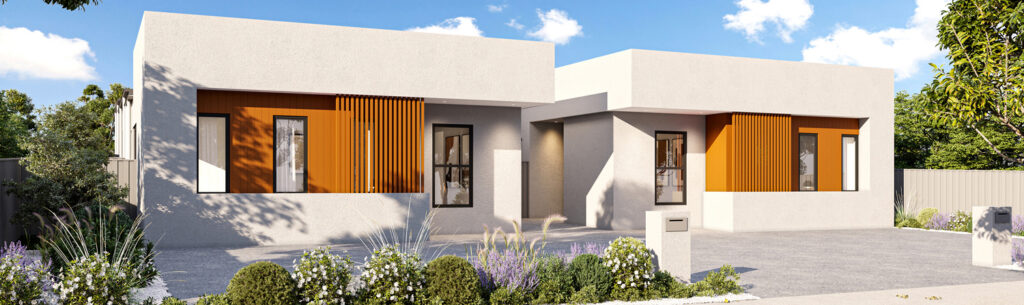
The ‘Noosa‘ low-set rooming houses from the Coastal, by Brisbane Rooming Houses ©
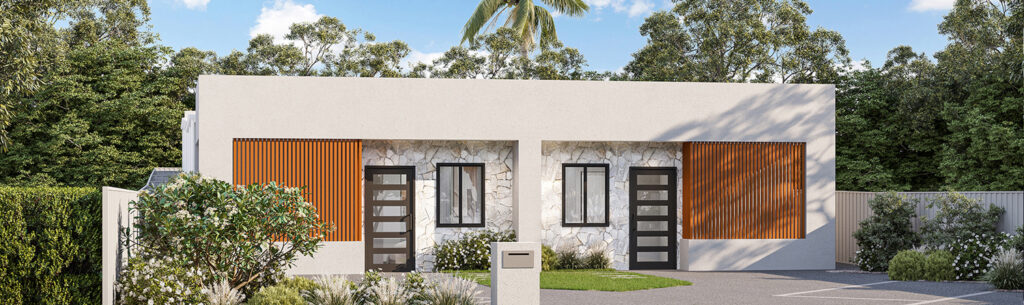
The ‘Kirra‘ low set rooming house from the ‘Coastal collection’ by Brisbane Rooming Houses ©
Why Investors are Choosing Rooming Houses
For investors, rooming houses can offer significant advantages.
Rather than relying on one tenant paying one rent, owners receive income from multiple individually leased rooms.
Benefits include:
- Higher gross rental income
- Stronger cash flow
- Reduced vacancy risk
- Diversified income streams
- High demand from key workers
- Professional property management
- Long-term housing demand
- Manufactured growth on completion, when built from scratch
At the same time, investors contribute to solving Australia’s affordable housing shortage by increasing the supply of quality accommodation.
Rooming Houses Help Solve the Housing Crisis
Australia needs more housing diversity.
Not everyone requires or can afford a four-bedroom family home.
Rooming accommodation provides an efficient housing option for people who value affordability, convenience and independence.
Healthcare workers, hospitality staff, apprentices, teachers and emergency services personnel all benefit from quality accommodation close to employment.
Purpose-built rooming houses help make better use of residential land while supporting local communities and economies.
Frequently Asked Questions
Are rooming houses legal in Queensland?
Yes. Rooming houses are a recognized form of residential accommodation and are regulated through planning laws, building standards and tenancy legislation.
Are rooming houses a good investment?
Many investors are attracted to rooming houses because they can generate stronger cash flow than traditional residential rentals.
Can I convert my existing house into a rooming house?
Possibly. Depending on the property, council planning scheme and building requirements, an existing dwelling may be suitable for conversion or redevelopment.
What is the difference between a boarding house and a rooming house?
Historically, boarding houses often provided meals and services in addition to accommodation. Modern rooming houses generally provide private accommodation with shared facilities but without meals.
Who lives in rooming houses?
Predominantly responsible working adults who are key workers. and professionals seeking affordable, quality accommodation close to employment.
The Future of Rooming Accommodation
As Queensland continues to grow, professionally designed rooming houses will become an increasingly important part of the housing mix for the growing single worker – the fastest growing segment of Australian households.
They provide affordable accommodation for residents, attractive opportunities for investors and practical solutions for governments seeking to improve housing supply.
Far from being a relic of the past, the modern rooming house has evolved into a sophisticated housing model that combines designer living, professional management and strong investment fundamentals.
For many Australians, rooming accommodation represents the future of affordable housing.
About the author:
Paul Zanetti is the Founder and Director of Brisbane Rooming Houses Pty Ltd, a developer, builder and property manager of rooming accommodation.
Paul has been the leading proponent in Queensland for a new type of rooming houses – ‘Executive Living designer studios for key workers – a proprietary model that delivers exceptional returns to investors.
He has written books on rooming accommodation, referred to as ‘industry bibles’ and prepared and published multiple reports for governments identifying regulatory, planning and infrastructure-charging anomalies affecting rooming accommodation in Queensland. His advocacy has included engagement with State Planning Ministers, senior departmental officers and Directors-General, as well as local government elected representatives, planning officials and other relevant stakeholders.
Paul continues to advocate for evidence-based planning reform and the development of proportionate regulatory frameworks capable of supporting the delivery of affordable housing by the private sector.
Where appropriate reform cannot be achieved through constructive engagement with State and Local Governments, Paul is prepared to work with affected industry participants to pursue appropriate administrative reviews and judicial applications to obtain independent consideration of the legality, validity and proportionality of the relevant regulatory frameworks
Paul can be contacted at: paul@brisbaneroominghouses.com.au