

Brisbane Council rooming accommodation houses changes
How the Proposed Planning Amendment Will Exacerbate the Housing Crisis, Endanger Residents, and Expose Council to Significant Legal Risk
Brisbane Council rooming accommodation houses changes are shaping the city’s housing affordability crisis more than ever.
Vacancy rates remain historically low.
Rents continue to rise.
Brisbane Council rooming accommodation houses changes affect thousands of key and essential workers, pensioners and low-income Australians seeking affordable accommodation.
Against this backdrop, Brisbane City Council’s proposed Amendment L introduces sweeping changes to rooming accommodation design requirements. Additionally, Council says the reforms will improve design quality and better integrate rooming accommodation into low-density suburbs. However, industry professionals are concerned the changes will have the opposite effect.
Rooming accommodation designers, developers, operators and property managers warn that Amendment L will reduce the supply of affordable housing. Moreover, Amendment L will discourage private investment, increasing pressure on an already constrained rental market.
However, proposed design changes will compromise resident safety, privacy, amenity and livability.
They will also increase neighborhood conflict.
Amendment L will make it more difficult and expensive to develop new rooming accommodation in Brisbane.
Additionally, property managers are already saying they want nothing to do with the proposed changes.
Consequently, they say the changes will incite disputes among residents over shared spaces.
There are also significant legal and regulatory risks for Brisbane City Council and the Queensland Government. Additionally, health and safety risks are foreseeable during the policy’s proposal stage. Residents will inevitably suffer viral contamination, serious injury or even loss of life.
However, if these concerns materialize, Brisbane Council rooming accommodation houses changes could be among the most consequential and worst planning reforms in Queensland.
It would be damaging to affordable housing in Brisbane. However, Brisbane Council rooming accommodation houses changes are proposed by bureaucrats who have never lived in or managed rooming accommodation. They have no on-ground experience, understating or connection to rooming accommodation.
The question is simple.
However, will Amendment L improve affordable housing in Brisbane, or will it worsen the housing crisis?
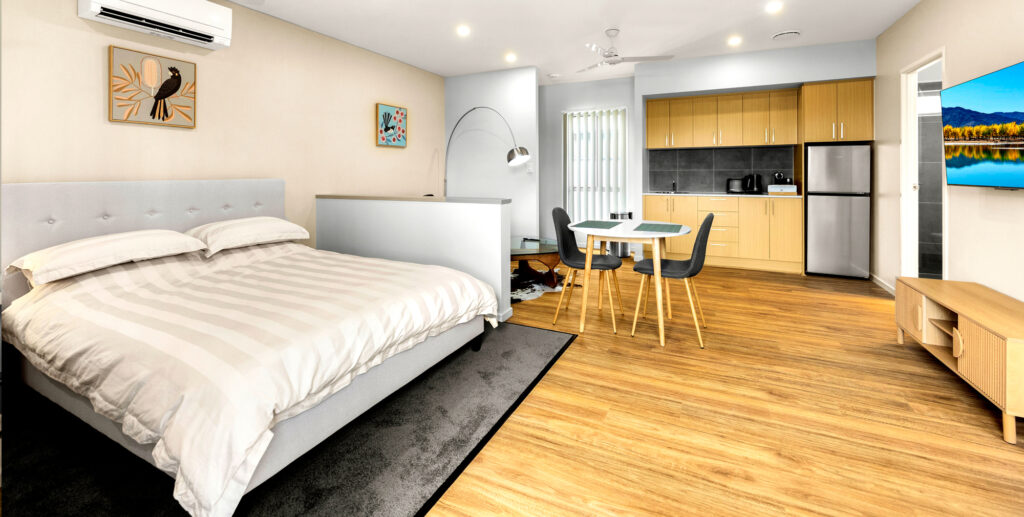
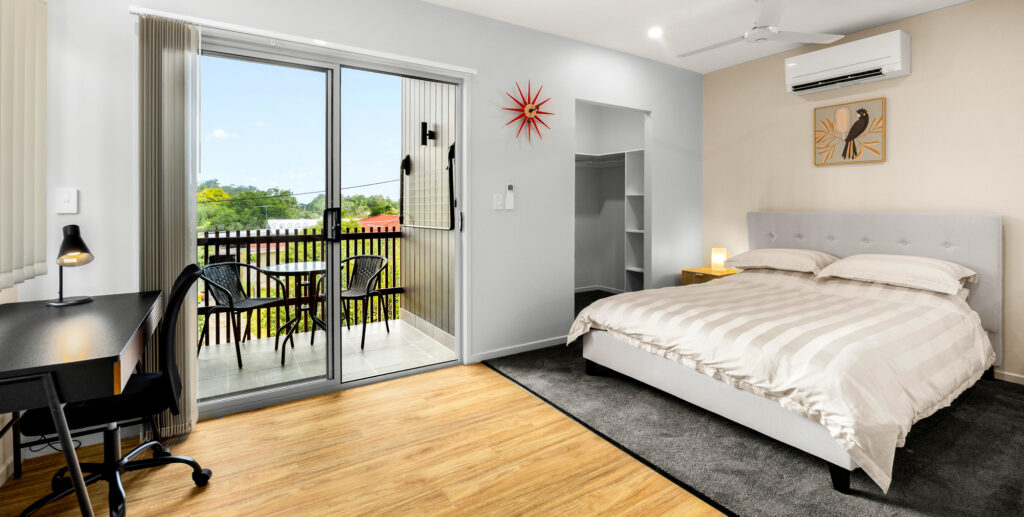
Existing rooming accommodation provides private living spaces that offer safe, practical, and affordable housing for Queensland’s key and essential workers.
Additionally, Brisbane Council rooming accommodation houses changes reflect ongoing improvements.
Pictures © Brisbane Rooming Houses.
The Importance of Rooming Accommodation
Rooming accommodation has become one of the few forms of genuinely affordable housing. However, it is delivered almost entirely by the private sector.
It provides accommodation for key and essential workers, including nurses, hospitality workers, police officers, apprentices, cleaners, and retail workers. It also supports newly separated people, pensioners, and others who cannot afford conventional rental housing.
Unlike government social housing, taxpayers do not fund its construction.
Private investors take the financial risk of purchasing land, obtaining approvals and constructing accommodation.
Every additional planning restriction increases cost and reduces investor confidence.
When private investors leave the market, housing supply falls. The state government accounts for about five per cent of Queensland’s housing. The private sector provides the remaining ninety-five per cent.
At a time when the social housing waiting list is growing at a record rate, policies that discourage private investment will only deepen the crisis.
Amendment L does that by making rooming accommodation less practical, less attractive to invest in, and less safe for residents.
In the middle of Queensland’s worst housing crisis, planning reforms should encourage the delivery of affordable housing.
This approach aligns with Brisbane Council rooming accommodation houses changes and protects residents while supporting stable housing outcomes.
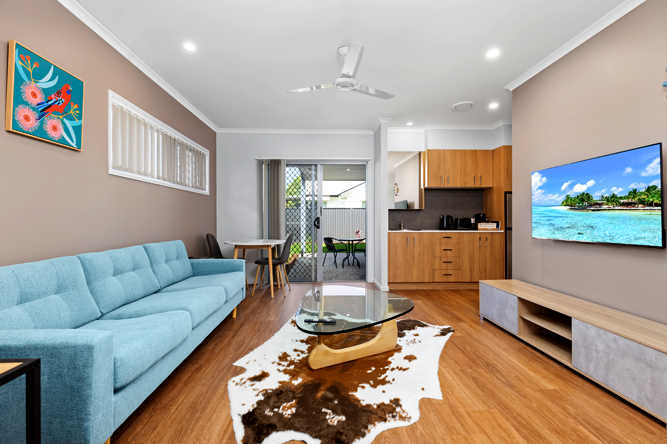
The Elimination of Practical Private Living Facilities
Perhaps the most controversial aspect of Amendment L is its proposal to reduce or remove the size and functionality of private in-room facilities.
Existing practical bench tops, designed to allow residents to safely prepare food and maintain hygiene, would be significantly reduced to impractical levels, while medium-sized private refrigerators would be replaced with small bar fridges.
This would limit a resident’s ability to privately store fresh food and drinks, forcing greater reliance on communal facilities and increasing the risk of food contamination and food theft.
These facilities have long been recognized as lawful under Queensland legislation and regulations, with their permissibility consistently upheld by the Development Tribunal.
As it presently stands, rooming accommodation commonly includes a private bench space, a sink and a refrigerator suitable for long-term residential occupation.
These facilities enable residents to prepare meals, wash dishes and store food privately, safely and within bio security standards.
They work full-time.
They buy groceries weekly.
They need to store their private foods and meals safely and securely.
They need to prepare their food in a safe, hygienic environment.
They require facilities suitable for ordinary domestic life.
The proposed amendment would restrict private bench top space to an impractical 600 mm by 600 mm, prohibit private sinks, and reduce refrigeration capacity to a small bar fridge similar to those found in short-term hotel rooms – suitable for storing only a few drinks rather than a week’s worth of groceries for a long-term single resident.
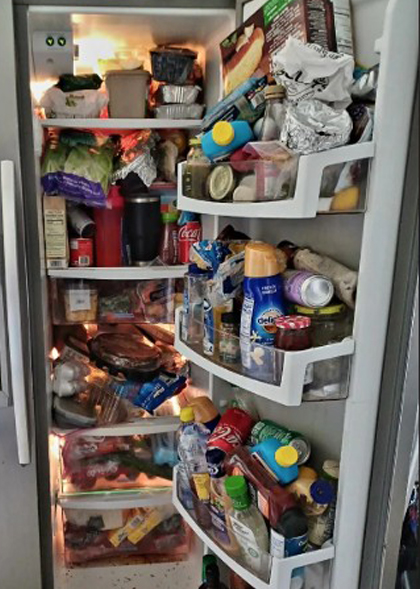
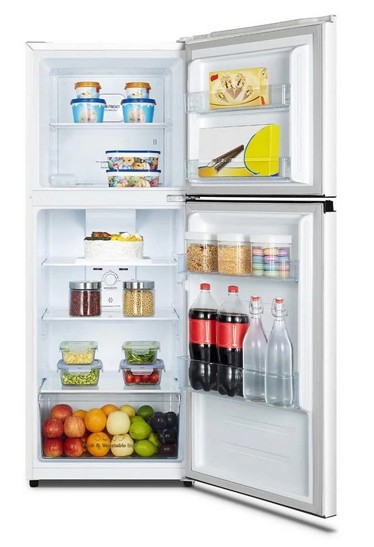
Residents would therefore be compelled to prepare meals, wash dishes and share private food storage in communal kitchens.
While this may resemble hotel or hostel accommodation, rooming accommodation residents often live in these premises for months or years.
Removing the facilities needed for single individuals to function practically and safely eliminates both functionality and dignity creating risk, danger and life threatening environments.
Shared Facilities Create Predictable Conflict
Experienced rooming accommodation operators have long recognized a simple operational reality.
There is a well-known saying in the design and management of shared housing:
“Keep residents out of the common areas, because that’s where the fights start.”
The principle is straightforward—the more unrelated adults are required to share kitchens, cleaning areas and other communal facilities, the greater the opportunity for disagreements over noise, cleanliness, food storage, cooking times and personal behavior.
Amendment L moves in the opposite direction by reducing private in-room facilities and forcing greater reliance on communal spaces. In their view, this is likely to increase conflict, disputes and, in some cases, physical altercations between residents rather than reduce them.
Arguments commonly arise over hygiene and cleaning standards, refrigerator space, cooking times, food theft, noise and personal behavior.
Private facilities reduce interaction. Forced communal facilities increase it.
By removing private sinks and practical bench space, Amendment L effectively requires unrelated adults to undertake daily domestic activities in confined communal areas.
This inevitably increases the likelihood of conflict, intimidation and harassment.
Rather than creating stronger communities, the amendment may generate tension between strangers who otherwise would have maintained privacy and independence.
Good planning should minimize community conflict and risk, rather than manufacture it.
Young Women and Vulnerable Residents
Perhaps the greatest concern relates to vulnerable residents.
Rooming accommodation is not occupied by families. It is home to unrelated adults, usually complete strangers before moving in, each with different lifestyles, routines and expectations.
Amendment L appears to be based on the unrealistic assumption that unrelated adults will function like a traditional family household, sharing domestic spaces and routines harmoniously.
In reality, even within a family home, meal preparation is often undertaken by one person for the household.
In a rooming house, the opposite is true. Each resident prepares their own meals, often at similar times, requiring adequate private bench space and facilities to prepare food safely, hygienically and independently.
Reducing these private amenities forces unnecessary competition for communal space and increases the potential for conflict, inconvenience and health risks.
Residents are unrelated adults of varying ages, backgrounds and personal histories.
It is common for young single women in their 20s to share rooming accommodation with men in their 40s, 50s and 60s whom they have never previously met.
Most residents choose shared accommodation out of financial necessity, not because they are seeking friendships or personal relationships.
Many value their independence and privacy, and have little desire to socialize beyond what is necessary.
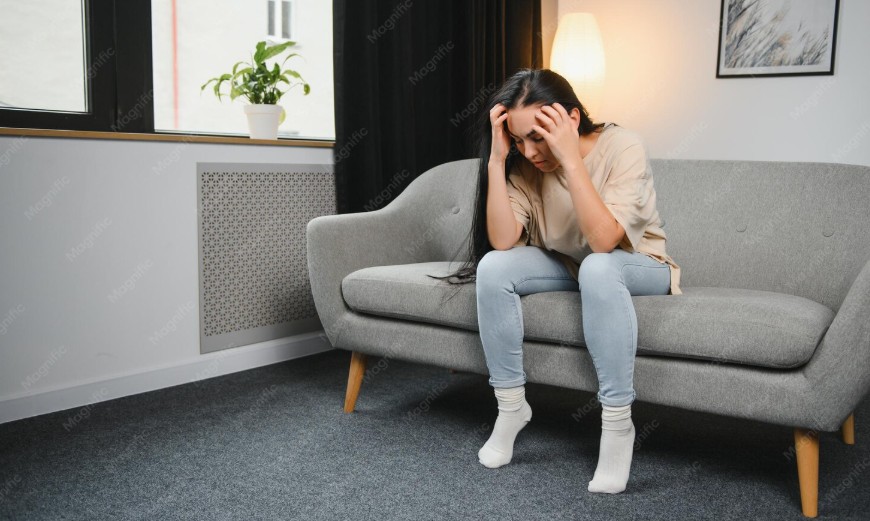
With around one-third of Australian adults being single – many by choice – it is unrealistic to assume unrelated residents will naturally function as a close-knit household or welcome increased compulsory interaction through shared domestic facilities.
Amendment L would require young women to prepare food and wash dishes alongside older male residents whom they may have never previously met.
No one suggests misconduct is inevitable, but it is more possible under the Brisbane City Council’s proposed Amendment L.
However, planning decisions should consider foreseeable risk.
Privacy and autonomy are fundamental aspects of personal safety.
Removing private facilities forces unnecessary interaction between unrelated adults during intimate domestic activities.
For women who have previously experienced domestic violence or harassment, compulsory use of communal kitchens may create anxiety and vulnerability that could otherwise be avoided.
Planning policy should seek to reduce avoidable risk wherever practical not increase risk.
Biosecurity and Public Health
One of the most significant criticisms of Amendment L concerns hygiene and biosecurity.
The COVID-19 pandemic demonstrated the importance of limiting unnecessary communal contact and improving hygiene standards.
Private food preparation areas reduce cross-contamination and minimize exposure to shared surfaces.
Amendment L instead centralizes food preparation and dish washing into communal facilities used by multiple unrelated adults.
Shared benches, sinks, utensils and appliances inevitably increase opportunities for bacterial and viral transmission.
Food contamination risks also increase where numerous residents prepare meals in the same confined space.
Amendment L therefore conflicts with the objectives underpinning Queensland’s biosecurity framework by embedding unnecessary hygiene risks into the built environment.


Increased bacteria and bio security risks are inevitable under the Brisbane City Council’s Amendment L
Potential Breach of the General Biosecurity Obligation
Queensland’s General Biosecurity Obligation requires all persons and organizations to take reasonable and practical steps to minimize biosecurity risks arising from their activities.
The obligation extends broadly across government, industry and the community.
Requiring unrelated residents to share food preparation and dishwashing facilities unnecessarily increases opportunities for disease transmission through contaminated surfaces, utensils and food preparation areas.
If practical alternatives already exist through private sinks and private preparation areas, their removal may arguably increase rather than reduce biosecurity risk.
The proposed designs of Amendment L conflict with the objectives of Queensland’s biosecurity legislation.
The Human Rights Dimension
Queensland’s Human Rights Act recognizes important rights relating to privacy, dignity and protection from foreseeable harm.
Amendment L diminishes these rights.
Private food preparation and cleaning facilities allow residents to conduct ordinary domestic activities independently.
Removing those facilities compels unrelated adults into communal domestic environments.
The result is reduced privacy, reduced autonomy and greater exposure to conflict and intimidation.
Human rights legislation requires public authorities to properly consider the human rights implications of their decisions.
Amendment L gives insufficient consideration to its practical impact on vulnerable residents, particularly women, older occupants, and people who have experienced previous trauma, all of whom may be disproportionately affected by the increased reliance on shared communal facilities and the loss of privacy and personal autonomy.
Should the amendment proceed, these issues are likely to become the subject of legal review and potential proceedings, consuming significant time and resources from both local and State government in defending the policy.
The amendments expose Brisbane City Council and the Department of Planning, under Deputy Premier Jarrod Bleijie, to financial and reputational risk, particularly given the need for State-level approval and endorsement of the changes.
Local Government Act Obligations
The Local Government Act requires councils to act in the public interest and respond to community needs through accountable, effective, efficient and sustainable decision-making.
Amendment L does not satisfy these objectives. The proposal reduces housing functionality while increasing operational problems.
Reducing affordable housing supply during a housing crisis will occur.
It will increase neighborhood complaints.
It creates new health and safety risks without any demonstrated public benefit.
Should these outcomes occur, questions arise regarding whether the amendment genuinely serves the public interest.
Community Safety Considerations
Queensland’s Community Safety legislation emphasizes prevention of violence, reduction of environmental risks and promotion of safer communities.
Environmental design significantly influences human behavior. Good design reduces conflict. Poor design increases it.
Communal kitchens become natural pressure points where disputes arise over cleanliness, waiting times, storage and personal conduct.
The more residents forced to use a single facility, the greater the potential for disagreement.
Critics argue Amendment L increases environmental factors associated with conflict rather than reducing them.
Instead of preventing antisocial behavior, it will create conditions that encourage it.
Common Law Duty of Care
Governments owe duties of care where harm is reasonably foreseeable. Planning authorities must consider foreseeable risks created by regulatory decisions.
Amendment L introduces foreseeable risks including increased interpersonal conflict, harassment, disease transmission and neighborhood disturbance.
These foreseeable risks should be seriously assessed before implementation rather than after foreseeable, avoidable incidents occur.
neighborhood Amenity
The proposed amendment also requires new communal outdoor areas intended to encourage increased outdoor socializing, leading to these spaces effectively functioning as informal party zones.
While intended to foster interaction, these gathering areas will generate noise and disturbance for neighbors.
neighbors already raise complaints about noise from existing rooming accommodation, often linked to outdoor social activity even where such spaces are not required by regulation.
However, mandating dedicated outdoor communal areas as a condition of approval will increase the frequency and intensity of such activity, leading to a rise in neighborhood complaints.
When residents are encouraged to leave increasingly impractical private rooms, invite friends over and congregate outside, surrounding neighborhoods experience greater disruption.
The policy therefore risks producing the opposite outcome to its stated objective of improved neighborhood integration.


Brisbane neighbors near a rooming house with an external socializing area oppose the Brisbane City Council’s rooming accommodation Amendment L in its entirety.
A Housing Crisis Requires More Supply
Queensland requires substantially more affordable housing. Private rooming accommodation has become an essential component of that supply.
Every planning amendment that increases cost, complexity or operational difficulty reduces future investment.
Developers make commercial decisions. If rooming accommodation becomes uneconomic, investment moves elsewhere.
The inevitable consequence is fewer affordable rooms entering the market.
At a time when thousands remain unable to secure accommodation, reducing housing supply is a policy outcome Brisbane cannot afford.
No Demonstrated Evidence of Benefit
Perhaps the greatest weakness identified by critics is the absence of publicly demonstrated evidence supporting the amendment.
No evidence has been presented showing that removing private sinks improves health.
No evidence demonstrates improved resident well-being.
No evidence establishes reduced conflict.
No evidence suggests greater neighborhood harmony.
No evidence indicates increased housing supply.
Instead, experienced operators and property managers argue the reforms will produce exactly the opposite outcomes.
Sound public policy should be evidence-based.
Where major reforms affect thousands of residents, decision-makers should demonstrate measurable public benefit.
Without such evidence, confidence in the reform is inevitably undermined.
Social Engineering Rather Than Planning
Planning exists to regulate land use, infrastructure and neighborhood amenity.
It should not dictate how unrelated adults conduct their private domestic lives.
Amendment L crosses this boundary.
By determining how people cook, clean and interact inside their own homes, the amendment moves beyond planning and into behavioral regulation.
Residents of rooming accommodation are not families. They are unrelated individuals who value their independence and privacy.
Forcing communal living arrangements based upon ideological assumptions about shared lifestyles ignores operational reality.
Good planning reflects how people actually live rather than prescribing how policymakers believe they should live.
The Risk to Investment
Investment depends upon certainty.
Developers seek planning systems that are practical, predictable and commercially viable. If Amendment L produces buildings that are less attractive to residents and more expensive to operate, investor confidence declines.
Private capital will seek alternative investment products and jurisdictions. Every investor who leaves the sector represents future affordable housing that will never be built.
Queensland cannot solve its housing crisis while simultaneously discouraging those willing to invest their own capital in affordable housing supply.
Legal Challenge Is Inevitable
Given the breadth of concerns raised by operators and industry participants, Amendment L will inevitably become the subject of judicial review or planning litigation.
Arguments include whether the amendment adequately considers human rights implications, public safety obligations, biosecurity considerations and the statutory objectives governing local government decision-making.
The existence of substantial legal questions should encourage policymakers to reconsider whether the amendment achieves its intended objectives and how far policy makers are prepared to go to defend their position – and why.
A Better Alternative
Rather than reducing private amenities, Brisbane City Council could pursue genuine design improvements that enhance neighborhood amenity while preserving resident privacy and safety.
Higher quality architecture, landscaping, facade treatments, parking management and acoustic design could all improve integration with surrounding suburbs.
Maintaining practical private kitchenettes would preserve resident independence while reducing conflict and hygiene risks.
Evidence-based reform informed by experienced operators would produce better outcomes than prescriptive regulation developed without substantial frontline operational input.
Conclusion
Brisbane City Council’s Amendment L will fundamentally undermine rooming accommodation across the city.
Although presented as a design improvement, it will instead reduce housing functionality, discourage investment, increase communal conflict, create avoidable hygiene risks, diminish resident privacy and negatively impact neighbors.
They further contend that aspects of the amendment are inconsistent with the objectives of the Human Rights Act 2019 (Qld), the Local Government Act 2009 (Qld), the Biosecurity Act 2014 (Qld), the Community Safety Act 2024 (Qld) and common law principles concerning duty of care and foreseeable harm, providing potential grounds for legal challenge.
Most importantly, the amendment risks reducing the supply of affordable housing during the most significant housing crisis Queensland has ever experienced.
Planning policy should encourage practical, safe and functional housing that people want to build and people want to live in.
If Amendment L instead makes rooming accommodation less viable, less attractive and less investable. Brisbane will not simply lose a planning argument, it will lose one of its most important sources of affordable housing.
The consequences will be borne not by developers or policymakers, but by the thousands of Queenslanders searching for a safe, affordable place to call home.
Rooming accommodation has evolved over many decades, from informal arrangements such as a widow renting out rooms in her Queensland home, to modern, purpose-designed and professionally managed accommodation for key workers and other renters.
Today’s rooming accommodation is designed to meet the needs of residents for safety, privacy, convenience, health, and well-being, and in many cases operates effectively as a balanced and practical housing solution for modern renters.
Brisbane City Council’s proposed Amendment L departs from this established model and risks undermining a system that is already functioning effectively, despite there being little evidence that such changes are necessary.
Simply put, the Brisbane City Council has adopted the position that, if it ain’t broke, break it.
As a rooming accommodation provider involved in design, development, construction, furnishing, and management, we are currently advising clients and investors to consider opportunities in jurisdictions outside Brisbane, where we are increasingly active.
Our town planner has reported that inquiries for rooming accommodation within the Brisbane City Council area have “fallen off a cliff.”
There is a clear perception that investment interest is shifting away from Brisbane.
At present, Amendment L remains a proposed update to the Brisbane City Council planning scheme and has not yet been endorsed, pending public submissions and further assessment.
There has been significant community and industry concern regarding the proposal, with submissions being considered by the Council and the State Government’s planning department, which ultimately holds responsibility for reviewing and approving or rejecting the amendment.
The Deputy Premier and Minister for State Development, Infrastructure and Planning, Jarrod Bleijie, will be responsible for final approval should the amendment proceed.
About the author:
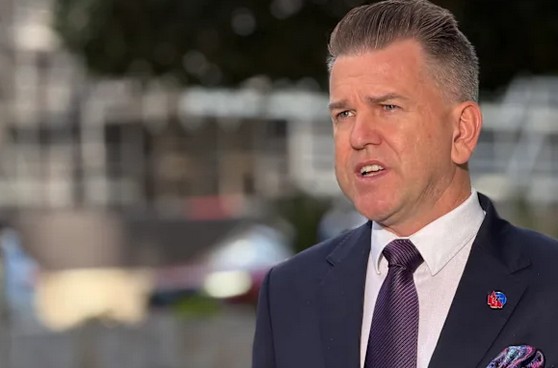
Paul Zanetti is the Founder and Director of Brisbane Rooming Houses Pty Ltd and has been the leading proponent in Queensland for a new type of rooming houses – ‘Executive Living’ designer studios for key workers.
Paul is also a prominent and active advocate for reform of Queensland’s regulatory framework governing rooming accommodation and affordable housing.
He has prepared and published multiple reports for governments identifying regulatory, planning and infrastructure-charging anomalies affecting rooming accommodation in Queensland. His advocacy has included engagement with State Planning Ministers, senior departmental officers and Directors-General, as well as local government elected representatives, planning officials and other relevant stakeholders.
Paul continues to advocate for evidence-based planning reform and the development of proportionate regulatory frameworks capable of supporting the delivery of affordable housing by the private sector.
Paul can be contacted at: paul@brisbaneroominghouses.com.au