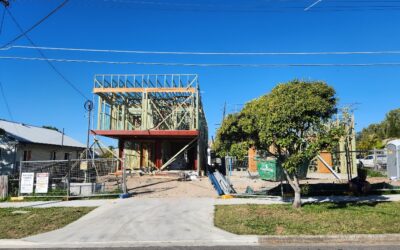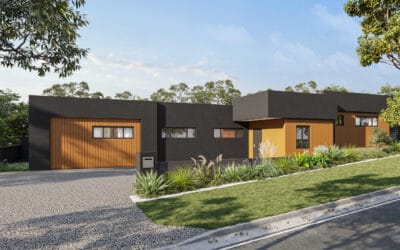


Housing analyst and forecaster Michael Matusik’s research reveals how Australia’s demographic and workforce changes are creating unprecedented demand for rooming accommodation and why savvy property investors are taking notice.
For decades, Australian housing policy, planning and property investment have been built around one assumption.
This assumption affects rooming houses and related markets across the country.
People live as families.
The traditional Australian dream has long been centered on the detached suburban home occupied by a couple with children. Yet according to respected housing analyst Michael Matusik, that assumption is becoming increasingly outdated.
Australia isn’t simply experiencing population growth.
It’s experiencing a fundamental transformation in the way Australians live and work.
Two powerful structural forces are reshaping housing demand:
- The rapid rise of single-person households.
- The explosive growth of the gig economy and flexible employment.
Individually, each trend is changing Australia’s housing landscape.
Combined, they are creating one of the strongest long-term investment opportunities in Australian residential property.

That opportunity is rooming accommodation. Far from being a niche housing product, professionally designed rooming accommodation directly addresses the needs of Australia’s fastest-growing demographic.
While many investors continue chasing yesterday’s property market, those who understand these structural changes are positioning themselves for tomorrow.Michael Matusik: Housing Demand Is About Households, Not Population
Michael Matusik has spent decades analyzing Australia’s residential property market.
One of his most important observations is that housing demand is driven less by population growth than by household formation.
Many people assume Australia’s housing shortage is simply caused by migration.
Migration certainly plays a role. But even if migration slowed dramatically, Australia would still require tens of thousands of additional homes every year because more Australians are choosing – or needing – to live separately.
This distinction is critical. Housing demand is created every time a new household forms. Not every time a new baby is born. Not every time someone migrates – but every time someone moves into their own home.
That subtle difference changes everything.
The Rise of the Single-Person Household
Australia has quietly undergone one of the biggest demographic transformations in its history.
In 1946, only around 8% of Australian households consisted of one person living alone. Today that figure is approximately 28%. By 2046, projections suggest around one in every three Australian households could be occupied by a single person.
That represents millions of Australians living independently. More importantly for investors, it represents millions of separate housing requirements.
Two people living together occupy one dwelling.
Two people living separately require two dwellings.
That simple mathematical reality is becoming one of the largest drivers of Australia’s housing shortage.
Each year Australia creates approximately 150,000 new households. Around one-third are single-person households. That’s approximately 50,000 additional individual housing requirements every single year.
Those households require kitchens.
Bathrooms.
Bedrooms.
Living space.
Exactly like couples do.
The difference is only one person occupies them.
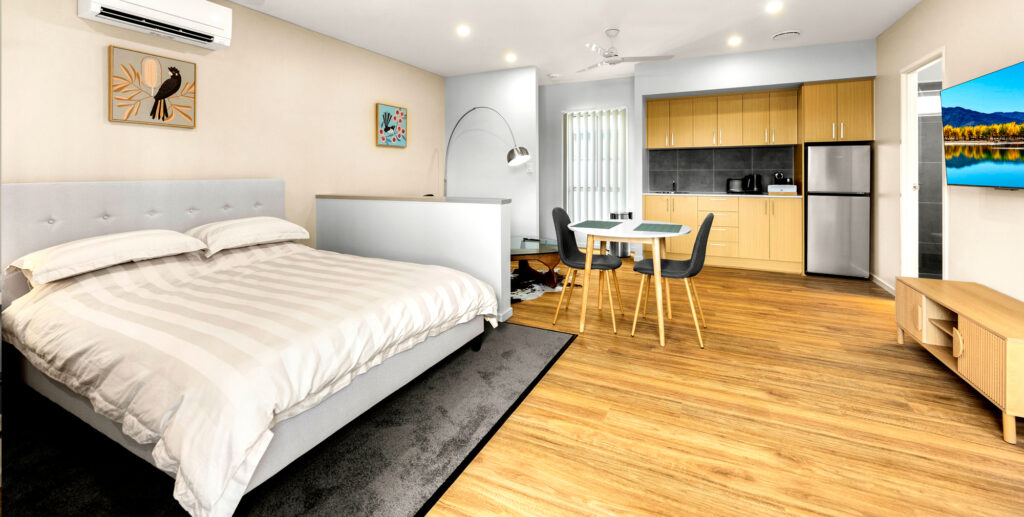
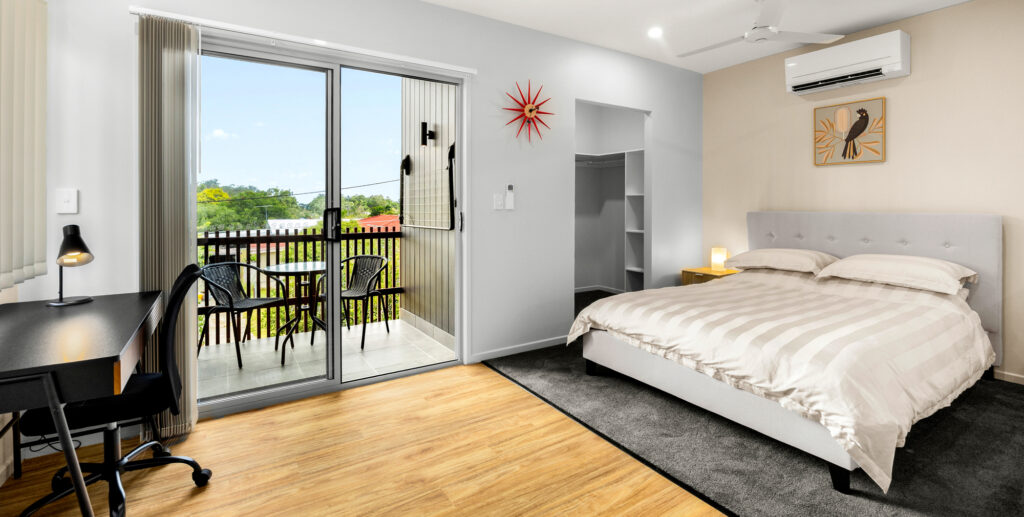
Rooming houses offer private, safe, comfortable, and convenient accommodation for Australia’s growing single households. These options appeal to people who prefer independent living within a supportive community, such as rooming houses. These properties typically feature shared common areas and practical amenities to ease daily routines.
Property managers typically ensure safety standards, clean shared spaces, and orderly tenancy processes. Residents gain access to bills, maintenance reporting, and support services that help them live independently. With clear terms and fair pricing, these housing options remain a practical choice for urban living.
Why Are More Australians Living Alone?
This isn’t simply a youth trend. Nor is it driven by one generation. The growth in solo living spans every stage of life.
Among the reasons are:
- Australians are marrying later.
- Divorce rates have increased over several decades.
- More Australians remain single by choice.
- Women enjoy greater financial independence than ever before.
- Australians are living much longer.
- Older Australians increasingly remain single after the loss of a partner.
- Lifestyle preferences increasingly favor independence.

While many Australians living alone are older owner-occupiers, at the same time, a significant proportion are renters. This creates a continually expanding rental market requiring appropriately designed housing.
Australia Isn’t Alone
Matusik notes this trend is occurring across virtually every developed economy.
Scandinavian countries already have single-person household rates exceeding 40%. North America is experiencing similar growth. Many Asian economies are seeing rapid increases in solo living.
This isn’t a temporary market cycle – it’s a long-term demographic shift.
Like aging populations, lower birth rates and longer life expectancy, it represents structural change that will influence housing markets for decades.Investors who understand structural change generally outperform those chasing short-term market cycles.
The Housing That Australia Keeps Building Isn’t What Australians Need
Here’s where Australia’s biggest housing mismatch emerges.
Our planning systems continue producing housing designed largely for families. Large detached houses dominate greenfield developments. High-rise apartments often target investors or owner-occupiers at price points beyond many single-income earners. Meanwhile, one of the country’s fastest-growing demographics struggles to find housing suited to their needs.
Australia needs far more:
- Smaller homes.
- Compact dwellings.
- Affordable accommodation.
- Medium-density development.
- Well-located infill housing.
- Flexible living arrangements.
This is what planners call the “missing middle.” And one of the most effective examples of the missing middle already exists – rooming accommodation.
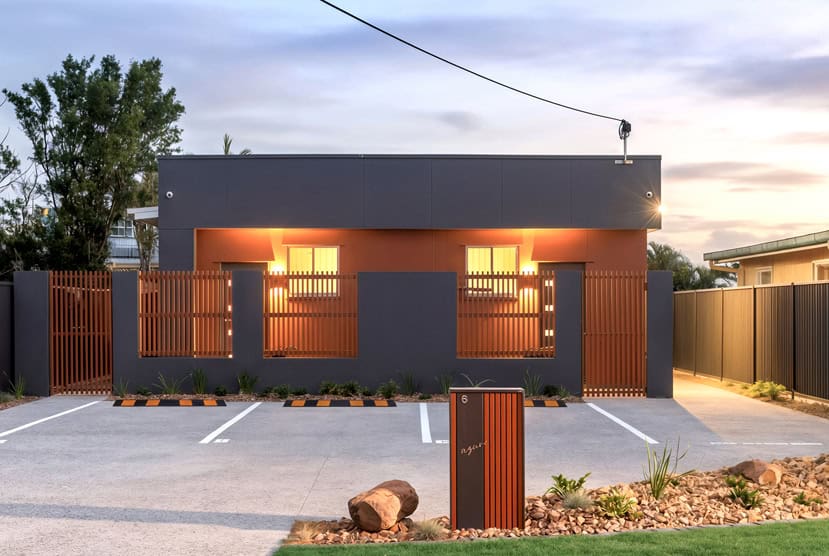
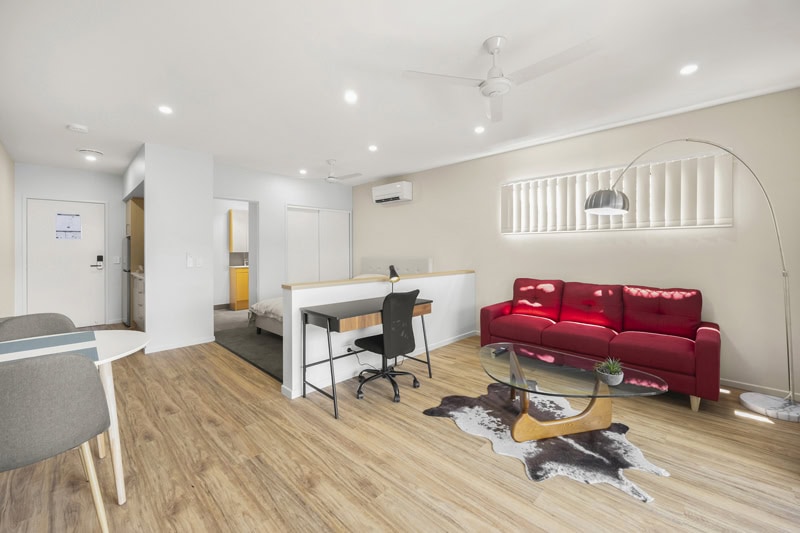
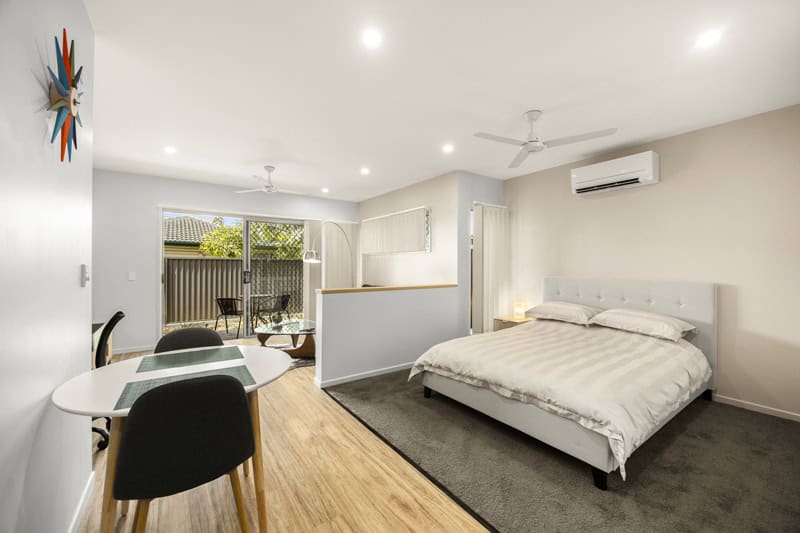
Above. Social and population trends show that Australia needs more rooming accommodation. © Brisbane Rooming Houses
Rooming Accommodation Is Designed for Today’s Housing Market
Professional rooming accommodation delivers exactly what increasing numbers of Australians are seeking.
Residents enjoy:
- Private bedrooms.
- Full furnished rooms and common areas
- Individual tenancy.
- Private, practical amenities for personal hygiene and everyday use
- Shared common facilities.
- Lower housing costs.
- All bills (power, Wi-Fi etc.) included in the rent
- Well-located accommodation.
- Reduced living expenses.
- Greater flexibility.
For many residents, this isn’t a compromise. It’s the preferred housing solution. As living costs continue rising, affordability becomes increasingly important.
Rather than paying for an entire house, townhouse or apartment they neither need nor can comfortably afford, then paying for furnishings and appliances costing thousands of dollars, then establishing and paying for utilities and internet accounts, many people choose high-quality rooming accommodation offering privacy, community, amenity, affordability with all inclusions.
That trend is only strengthening.
The Gig Economy Is Changing Housing Forever
Demographics are only half the story.
Michael Matusik also highlights another powerful force reshaping housing demand.
The rise of the gig economy.
Australia now has around 1.1 million independent contractors and gig workers.
Many work across multiple platforms. Many have variable weekly incomes.

Many enjoy enormous flexibility—but also experience less financial certainty than traditional employees.
This creates entirely different housing preferences. Traditional employment encouraged traditional housing decisions.
Secure employment. Stable income. Long-term mortgage. Permanent home ownership. Today’s workforce increasingly looks different.
Flexible work. Multiple income streams. Contract employment. Remote work. Online platform work. Freelancing. Short-term assignments.
Housing naturally evolves alongside employment.
Mobility Has Become More Valuable Than Permanence
Workers in the gig economy frequently prioritize flexibility over ownership.
Many:
- Rent longer.
- Delay buying property.
- Prefer locations close to employment hubs.
- Need lower fixed living costs.
- Move more frequently for opportunity.
This isn’t financial failure – it’s rational decision-making.
Variable income makes flexibility valuable. Large mortgages become less attractive. Lower living costs create greater financial resilience.
Professionally managed rooming accommodation aligns remarkably well with these preferences.
The Perfect Convergence
The real story emerges when these two structural trends combine.
The rise of solo living with the rise of flexible work.
Together they create an entirely new, fast growing housing cohort – the mobile, single, income-variable renter.
This group is more likely to:
- Live alone.
- Rent long-term.
- Prioritize affordability.
- Value flexibility.
- Choose smaller accommodation.
- Seek locations close to employment.
- Avoid excessive housing costs.
That description mirrors the typical resident profile for quality rooming accommodation.
This isn’t coincidence. It’s market alignment.



Above. The rise of the single, gig economy worker is a powerful trend driving the changing housing market.
Investors Should Follow Structural Demand
Property investing becomes significantly less risky when supply closely matches long-term demand. Rather than speculating on future capital growth alone, successful investors ask:
“What housing product will Australians increasingly need over the next twenty years?”
Michael Matusik’s research provides a compelling answer. Australia requires more housing suitable for:
- Individuals.
- Renters.
- Flexible workers.
- Affordable living.
- Smaller households.
Rooming accommodation delivers precisely that.
Why Rental Demand Is Likely to Remain Strong
Many commentators focus exclusively on interest rates.
Or migration. Or government incentives.
While important, these factors fluctuate. Structural demographic change does not. As single-person households continue growing, demand for rental accommodation remains resilient. As gig work expands, demand for flexible housing strengthens.
As affordability pressures increase, lower-cost accommodation becomes increasingly attractive. These trends reinforce one another. This creates persistent rental demand rather than temporary spikes.
Government Policy Is Slowly Catching Up
Across Australia, governments increasingly acknowledge that solving the housing crisis requires more than simply building traditional detached houses.
Planning reforms increasingly support:
- Higher density.
- Infill development.
- Smaller housing formats.
- More efficient land use.
- Affordable rental accommodation.
While policy continues evolving, the direction is clear. Australia needs significantly more diverse housing.
Rooming accommodation forms an important part of that solution.
Why Investors Should Take Notice
Traditional residential investment has often relied upon one assumption: buy today, wait ten or twenty years – hope for capital growth.
Rooming accommodation operates differently.
Because multiple residents occupy one dwelling, professionally managed rooming accommodation often delivers significantly stronger rental yields than conventional residential property. Investors aren’t relying solely on future capital growth. They’re generating stronger cash flow today while participating in long-term demographic trends that continue supporting demand.
That combination of cash flow and structural demand is relatively rare.
The Future Housing Market Has Already Arrived
Michael Matusik’s research highlights something many investors still overlook; Australia’s housing market isn’t simply short of homes.
It’s short of the right homes. The nation is moving towards:
- Smaller households.
- More renters.
- Greater workforce flexibility.
- Increased mobility.
- Higher housing costs.
- Stronger demand for affordable accommodation.
Every one of those trends supports professionally developed rooming accommodation. The investors who recognize these demographic shifts today will likely be better positioned than those continuing to invest based on housing patterns that defined Australia decades ago.
The future isn’t simply more housing. It’s different housing.
And perhaps no residential asset class is better positioned to meet Australia’s changing housing needs than well-designed, professionally managed rooming accommodation.
As Michael Matusik consistently reminds the property industry, housing demand is ultimately about households. Australia is creating more households than ever before and increasingly, those households consist of just one person.
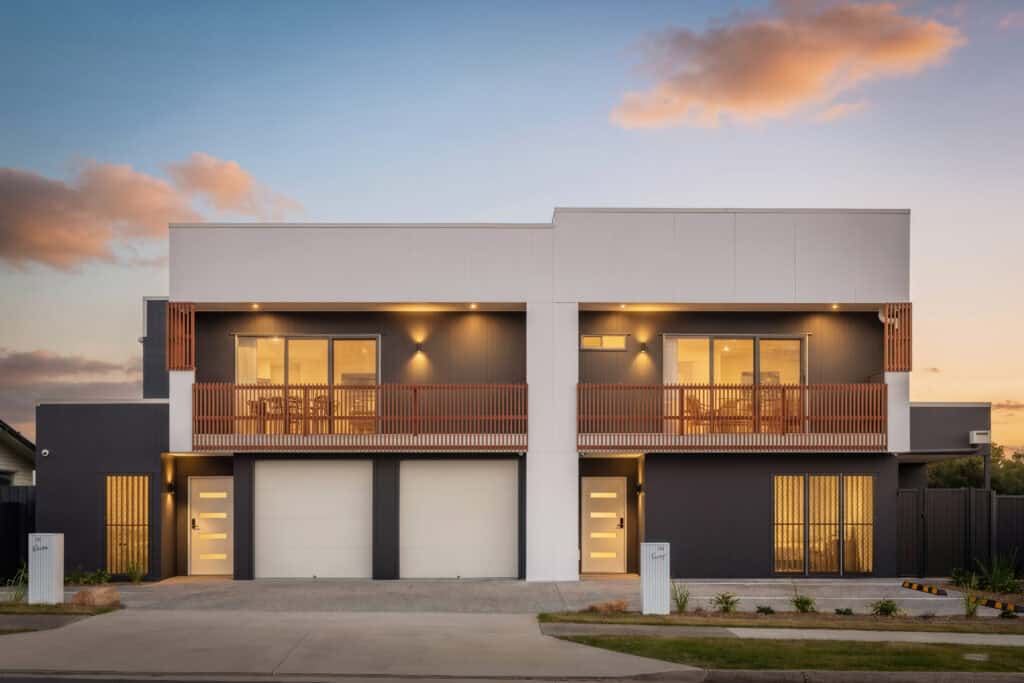
When combined with the rise of the gig economy and a workforce seeking flexibility, affordability and mobility, the case becomes compelling.The demand isn’t coming.
It’s already here.
For investors looking beyond short-term market cycles and focusing on long-term structural trends, rooming accommodation is no longer a niche investment strategy.
It is increasingly becoming one of Australia’s most relevant, resilient and future-focused property investment opportunities.
About the author:
Paul Zanetti is the Founder and Director of Brisbane Rooming Houses Pty Ltd, a developer, builder and property manager of rooming accommodation.
Paul has been the leading proponent in Queensland for a new type of rooming houses – ‘Executive Living’ designer studios for key workers – a proprietary model that delivers exceptional returns to investors.
He has written books on rooming accommodation, referred to as ‘industry bibles’ and prepared and published multiple reports for governments identifying regulatory, planning and infrastructure-charging anomalies affecting rooming accommodation in Queensland. His advocacy has included engagement with State Planning Ministers, senior departmental officers and Directors-General, as well as local government elected representatives, planning officials and other relevant stakeholders.
Paul continues to advocate for evidence-based planning reform and the development of proportionate regulatory frameworks capable of supporting the delivery of affordable housing by the private sector.
Where appropriate reform cannot be achieved through constructive engagement with State and Local Governments, Paul is prepared to work with affected industry participants to pursue appropriate administrative reviews and judicial applications to obtain independent consideration of the legality, validity and proportionality of the relevant regulatory frameworks
Paul can be contacted at: paul@brisbaneroominghouses.com.au