
For many property investors, the biggest hurdle to owning a rooming house isn’t finding the right site or understanding the rental returns.
It’s understanding how to finance one.
Many investors are surprised to discover that financing a rooming house is very different from financing a standard residential investment property. The lending rules are different, the valuation process is different, and the number of lenders willing to fund these projects is significantly smaller.
The good news is that finance is absolutely available. With the right structure, the right lender and the right team behind you, financing a rooming house can be straightforward.
This guide explains everything you need to know.
Why Rooming House Finance is Different
Most Australians are familiar with traditional residential investment finance.
Buy a house. Receive one rental income. Obtain a residential investment loan.
Simple.
A rooming house is different because instead of generating one rental income, it generates multiple rental streams from individual residents. That fundamentally changes how lenders assess the property.
Rather than simply looking at comparable residential sales, many lenders assess the property’s income-producing ability, making it more similar to a commercial investment.

As a result, many rooming houses are financed under commercial lending policies.
Why the Big Four Banks Usually Don’t Finance Rooming Houses
Australia’s major banks – the Commonwealth Bank, ANZ, Westpac, NAB – generally do not finance purpose-built rooming houses under their standard residential lending policies.
This is because rooming houses are commonly treated as commercial security due to their income-producing nature. Likewise, properties generating income from more than four separate rents are commonly assessed under commercial lending policies rather than standard residential lending guidelines.
While lending policies can vary between institutions and individual circumstances, investors should expect that most purpose-built rooming accommodation will require commercial-style finance rather than a conventional residential investment loan.
Residential Loans vs Commercial Loans
Understanding the difference is critical.
Residential Investment Loan
A standard residential investment loan generally allows borrowers to borrow up to 80% of the property’s value (80% LVR).
That means:
- Purchase price: $1,000,000
- Bank lends: $800,000
- Investor contributes: $200,000
Some borrowers may even contribute as little as 5–10%. In those situations, the lender usually requires Lenders Mortgage Insurance (LMI).
LMI protects the lender—not the borrower—against potential default and is generally added to the loan as an additional cost. Residential lending is considered lower risk because the property can usually be sold to a wide residential market if necessary.
Commercial Lending Works Differently
Commercial lenders assess risk differently. Purpose-built rooming houses are specialist investments. Although they can generate substantially higher rental income than a conventional investment property, there are fewer comparable sales and a smaller buyer pool. Because of this, lenders generally require investors to contribute a larger deposit.
Typical commercial lending ranges between:
- 50% to 65% Loan-to-Value Ratio (LVR)
This means the borrower usually contributes:
- 35% to 50% of the total project cost.
For example:
Project for two rooming house (including land) cost: $1,500,000
At a 65% LVR:
- Lender contributes: $1,975,000
- Borrower contributes: $525,000
This larger equity contribution reflects the lender’s assessment of commercial lending risk.
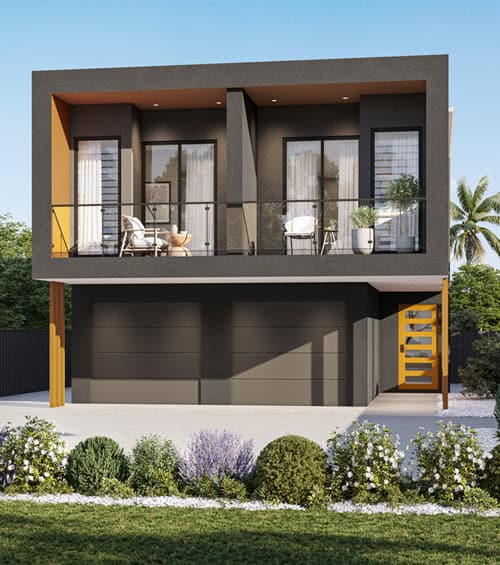
Financing a New Rooming House Build
Building a new rooming house can be more challenging than purchasing an existing investment property. Few lenders are comfortable funding the construction of a purpose-built rooming house.
Construction lending requires the lender to understand:
- the building approval
- the building classification
- the likely completed value
- rental demand
- ongoing management
- future resale value
Most lenders do not have enough experience with this specialised asset class. As a result, investors often find themselves speaking with lenders who immediately decline the application simply because they don’t understand the product.
Financing Multi-Lot, Rooming House Developments
Financing becomes even more specialised when a project involves:
- subdivision
- multiple dwellings
- multiple rooming houses
- staged developments
These developments require lenders with experience in development finance. In practice, only one specialist private lender actively finances rooming house developments involving subdivisions and multiple new rooming houses. At Brisbane Rooming Houses, we’ve worked with the same specialist private lender since our very first development. We were their first rooming house developer, and they became our first – and continue to be our primary – funding partner. Over the years, this long-standing relationship has helped us successfully finance numerous rooming house projects, providing our clients with access to a lender that understands the product, the market and the unique requirements of rooming accommodation developments.
Over the years, we’ve spoken with numerous lenders and are regularly approached by banks and finance providers, including the Big Four banks. While there is often strong initial interest in financing rooming accommodation projects, lending policies for rooming accommodation often fail at the final approval stage when senior credit decision-makers take a more conservative view of this specialised asset class.
When lenders assess the entire development, they base their assessments on risk, feasibility, end projected value – or Gross Realised Value (GRV), construction costs, developer experience and expected rental income.
For experienced developers with well-structured projects, working with a knowledgeable rooming house development lender creates opportunities that traditional lenders simply cannot provide.
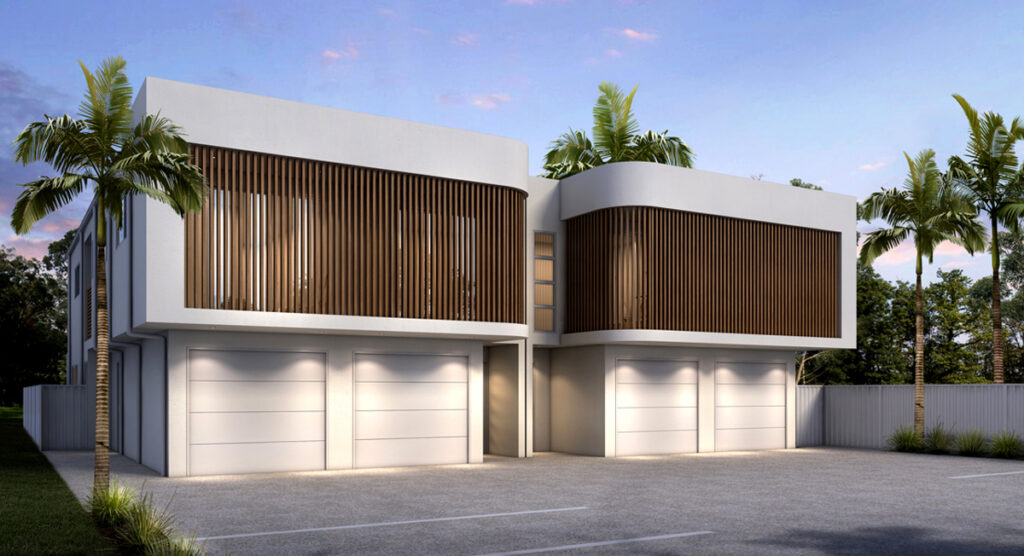
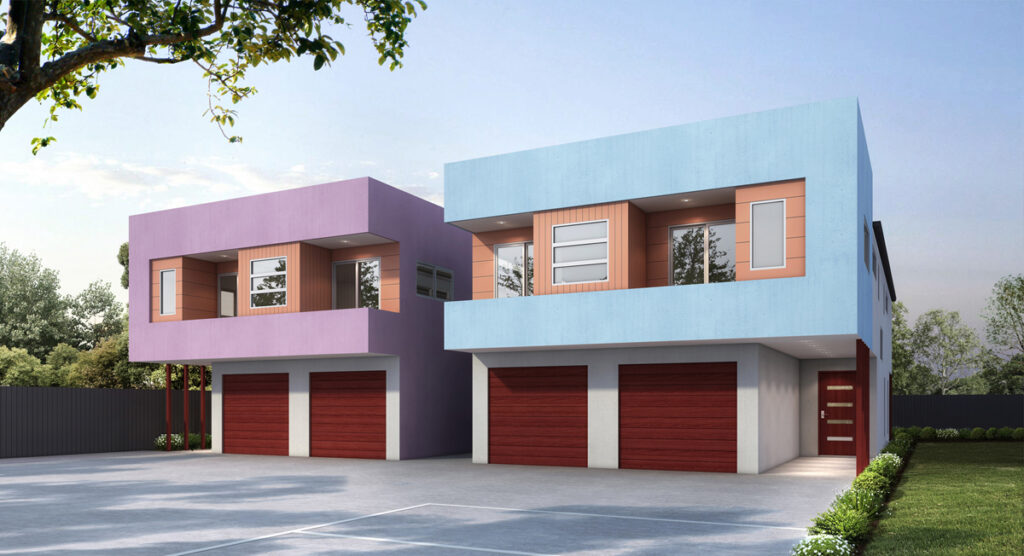
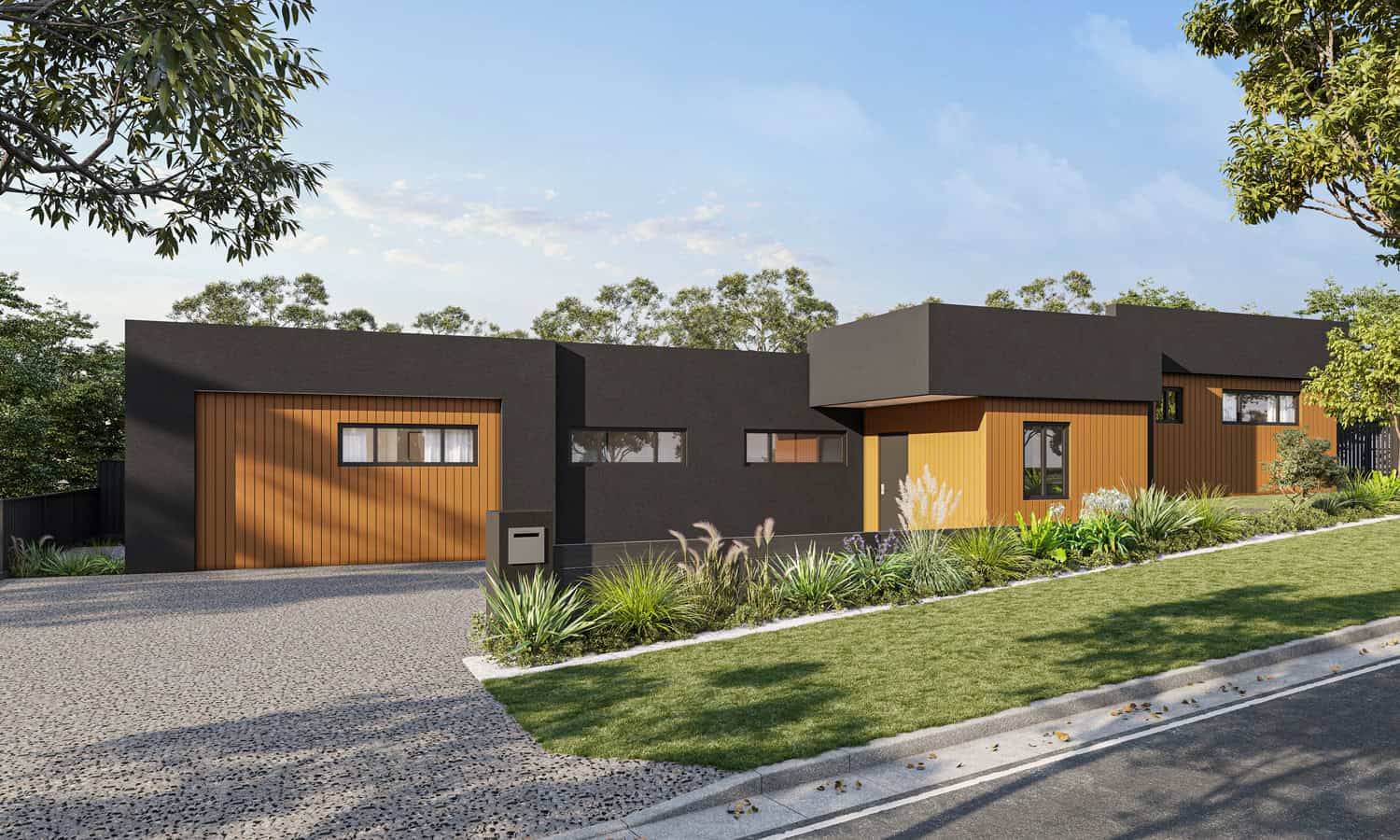
Above. Financing developments for more than one rooming house will require a specialist private lender. © Brisbane Rooming Houses
Typical Development Loan-to-Value Ratios
Every lender is different. Every project is different. However, investors can generally expect lending in the range of:
- 65% to 70% LVR for many specialist rooming house projects, depending on the location, quality of the project, developer profile and lender policy.
Regional location, metropolitan demand, construction quality and management experience can all influence the final lending outcome. As we have moved from large metro areas, with a proven track record of success, our lender has moved with us to regional locations where the data supports the strategy.
Valuations Are Critical
One of the most overlooked parts of financing a rooming house is obtaining the right valuation. A valuer unfamiliar with rooming accommodation may compare the property with ordinary residential houses. That approach can significantly undervalue a purpose-built rooming house.
Experienced valuers instead consider factors such as:
- multiple rental incomes
- specialist rent appraisals
- occupancy demand
- income capitalisation
- gross realised value
- comparable sales (if available)
- developer or builder profile
- target renter profile
- management model
- operating expenses

Choosing an experienced valuer can make a substantial difference to whether your rooming house development proceeds or comes to a halt. A valuer who understands rooming accommodation is more likely to accurately assess the property’s unique income potential and market value, which can be critical in securing finance.
The Broker Makes a Huge Difference
Not every mortgage broker understands rooming accommodation. Most finance brokers simply have never arranged finance for one. An experienced rooming house finance broker understands:
- which lender/s will consider the application
- lender policies
- valuation requirements
- feasibility reports
- construction funding
- progress payments
- servicing calculations
This can save investors months of frustration. Rather than applying to lenders that will immediately decline the application, an experienced broker can approach those with a genuine appetite for specialist accommodation projects.
Why Experience Counts
Lenders don’t just assess the property.They also assess the people behind the project. Experienced developers with a proven track record often have access to better lending outcomes than first-time investors. Lenders take confidence from:
- developer profile and experience
- successful completed projects
- construction experience
- reliable builder
- strong project management
- realistic budget
- realistic GRV
This reduces perceived risk and can improve financing options.
Don’t Let Finance Stop You Investing
While finance is certainly more specialised than a standard residential investment loan, there are lenders who understand the product and actively support well-structured rooming house projects.
The key is understanding that rooming accommodation is a specialist investment requiring specialist finance. Trying to approach the wrong lender can result in unnecessary declines, delays and frustration.
Working with the right professionals from the outset can save significant time and help maximise your borrowing potential.
The Best Way to Finance a Rooming House
The easiest path to securing finance is to work with reputable professionals who understand rooming accommodation inside and out. That means working with experienced developers, specialist mortgage brokers, valuers and lenders who have successfully financed rooming house projects before.
They understand the product. They understand the lending policies. They know which lenders are actively supporting rooming accommodation and how to structure an application for the greatest chance of approval.
At Brisbane Rooming Houses, we’ve spent many years helping investors successfully finance, build and own high-performing rooming accommodation across Queensland.
Our team works alongside experienced brokers, specialist valuers and lenders who understand the unique characteristics of rooming house investments. We’ve helped clients navigate the finance process from initial feasibility through to settlement and construction, making what can seem like a complex journey far simpler.
If you’re considering investing in a rooming house, don’t leave finance to chance. Partner with people who understand the numbers, know the lending landscape and have a proven track record of delivering successful outcomes.
With the right advice and the right team, owning a rooming house can be a straightforward, rewarding and profitable investment.
About the author:
Paul Zanetti is the Founder and Director of Brisbane Rooming Houses Pty Ltd, a developer, builder and property manager of rooming accommodation.
Paul has been the leading proponent in Queensland for a new type of rooming houses – ‘Executive Living’ designer studios for key workers – a proprietary model that delivers exceptional returns to investors.
He has written books on rooming accommodation, referred to as ‘industry bibles’ and prepared and published multiple reports for governments identifying regulatory, planning and infrastructure-charging anomalies affecting rooming accommodation in Queensland. His advocacy has included engagement with State Planning Ministers, senior departmental officers and Directors-General, as well as local government elected representatives, planning officials and other relevant stakeholders.
Paul continues to advocate for evidence-based planning reform and the development of proportionate regulatory frameworks capable of supporting the delivery of affordable housing by the private sector.
Where appropriate reform cannot be achieved through constructive engagement with State and Local Governments, Paul is prepared to work with affected industry participants to pursue appropriate administrative reviews and judicial applications to obtain independent consideration of the legality, validity and proportionality of the relevant regulatory frameworks
Paul can be contacted at: paul@brisbaneroominghouses.com.au